



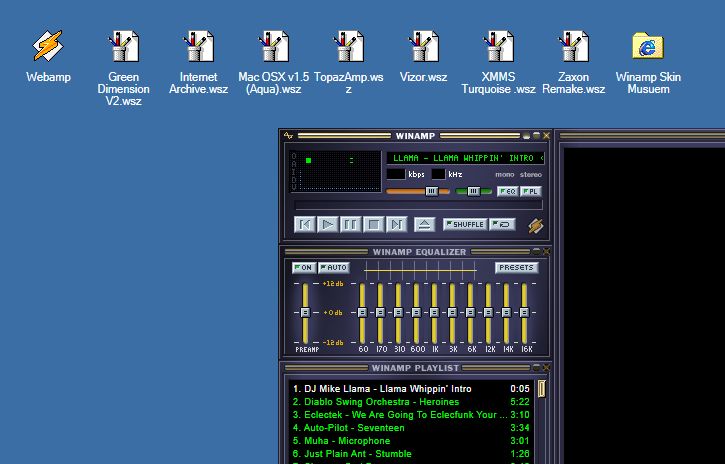
1997, 2008, 2015 and 2017 tell four different stories about digital music. A player appeared; streaming services launched; a patent-licensing programme ended. Put those dates together carelessly and they become a story about MP3 suddenly dying. Separate them and the old file-player culture looks more useful, and rather less mysterious.
Four dates, four different changes
| Date | Documented event | What it does not establish |
|---|---|---|
| 1997 | Winamp's launch, dated by its owner | That everyone used the same player or maintained files equally well |
| October 2008 | Spotify's launch | That personal collections immediately disappeared |
| June 2015 | Apple Music's introduction, with a June 30 debut announced | That an MP3 file stopped working |
| April 23, 2017 | The end of the Fraunhofer/Technicolor MP3 licensing programme | That listening to MP3 was prohibited or impossible |
The sources are Winamp's owner, Spotify's anniversary account, Apple's original announcement and Fraunhofer's explanation. The last source explicitly separated patent expiry within that programme from an end to use. This is historical context, not advice about licensing a new commercial codec implementation.
Our point is that a software launch, a service launch and a patent event cannot supply the same conclusion about a listener's collection. A favourite file does not vanish because the business around music changes.
The old folder still asks a good question
Imagine finding “01.mp3”, “02.mp3” and “03.mp3” outside their album folder. The names preserve an order but tell you little about the release. Pretty cover art cannot answer whether track three belongs to the original album or a later edition.
That is a hypothetical example, not a report of a Winamp fault. It explains why titles, album-artist tags and disc numbers are worth inspecting on today's player too. Our Picard worksheet starts with one difficult release and checks the proposed match before saving changes. Automatic assistance is welcome; identifying your actual copy remains the job.
A queue is another choice you can keep
Five songs for a twenty-minute walk is a more useful brief than “music I like.” It asks where the sequence begins, how it changes pace and whether it finishes before you get home. An automatically added sixth song can be enjoyable too, provided you know the application chose it.
Inspect the queue and any automatic extension setting. Try one order you assembled, then an album's supplied sequence. Our album and playlist exercise records what you notice without declaring a winner between the formats.
Borrow the habit, skip the reconstruction
There is no obligation to rebuild an old desktop or use an obsolete application. Keep a readable collection, know what is about to play and ask what a technical indicator measures. Our audio-units explainer gives bitrate and sample rate a job beyond looking impressive in a window.
Streaming can handle discovery while personal files retain particular editions. You may need both, or just one. The useful inheritance from the player era is being able to explain that choice, rather than treating convenience as a betrayal of the old logo.