



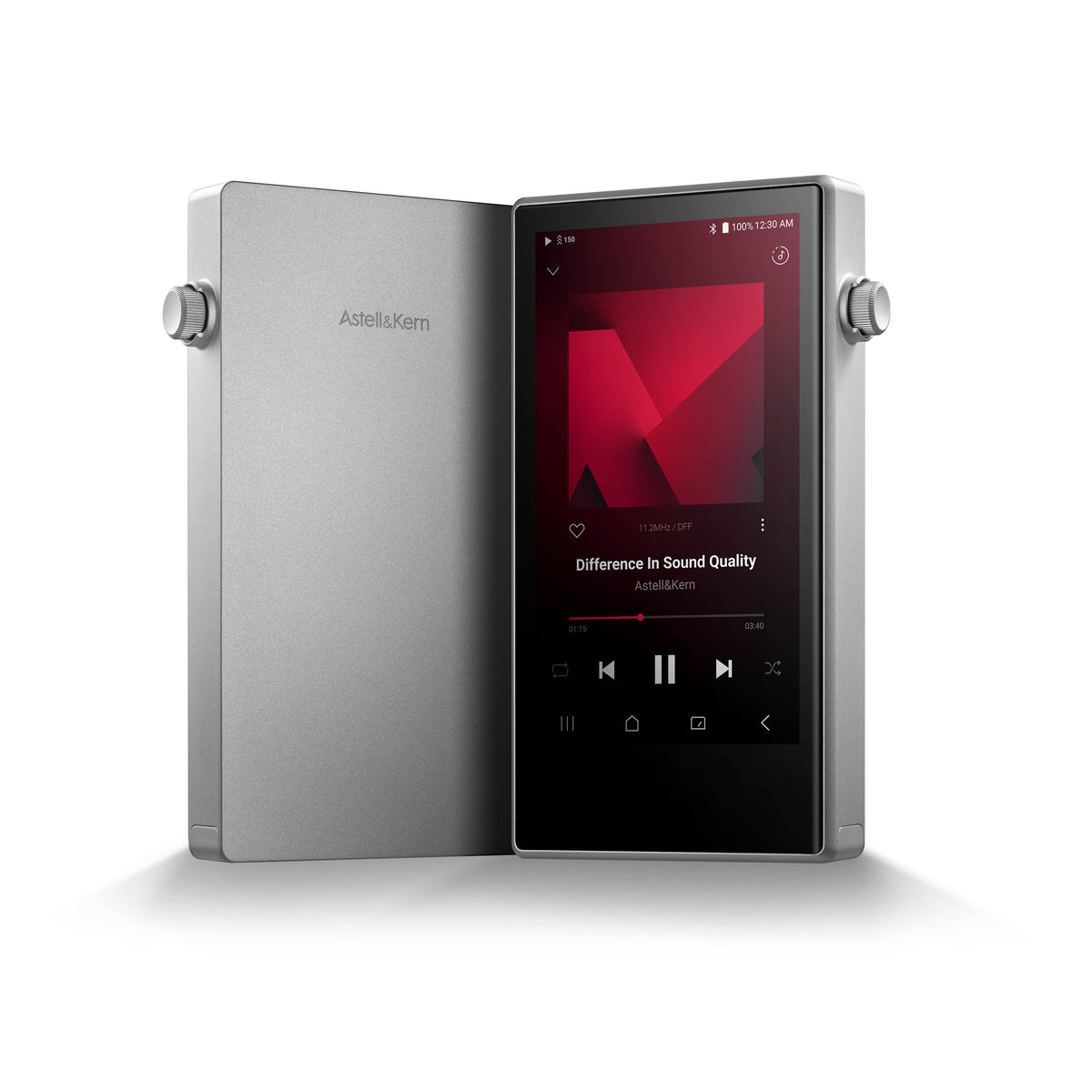
£899 divided across three years of daily use is about 82 pence a day. Spread the same purchase across one listening session a week and it is about £5.76 a session. The PD5's price stays the same; the routine changes what that purchase means.
What the product listing confirms
The UK PD5 listing, checked on 9 October, displayed £899 and marked the product sold out. That is a regional item price and availability snapshot, not a delivered worldwide offer.
The same page lists eight CS43198 DACs, selectable Quad and Octa modes, 3.5 mm and 4.4 mm outputs, and playback support including MP3 and FLAC. It quotes up to twenty-eight hours in Quad mode. These are manufacturer specifications and claims, with conditions that need inspecting for the arrangement you intend to use.
What the outside review found
In its 7 October review, What Hi-Fi? praised clarity and spacious presentation but raised concerns about perceived build quality and the price increase over the preceding model. Those are its test findings and judgements, not MP3Raid's experience.
Does a separate player fit your routine?
| Your reason for considering it | Evidence you still need |
|---|---|
| Carry a personal file library separately | Supported formats, required capacity and how your tags appear |
| Use a particular wired headphone arrangement | The exact output and headphone compatibility |
| Keep music apart from phone activity | Whether carrying and charging another device is worth that separation |
| Use streaming as well as files | Current support for the services and features you intend to use |
The separation matters most when music and phone activity regularly compete for attention. An occasional trip gives a separate player a different job from daily listening; the cost allocation below makes that difference explicit.
Put the purchase cost beside actual use
Using the verified £899 item price, our illustrative calculation is £899 ÷ 1,095 days = about £0.82 per day over three 365-day years. At one session a week over 156 weeks, it is about £5.76 per session. These figures allocate the purchase price only: they assume the stated use and omit accessories, repairs, delivery and resale. They are not a durability prediction or a cost-of-ownership test.
That is the distinction behind the calculation at the start of this article. A daily companion and a player used once a week have very different purchase allocations, even before either needs a repair or an accessory.
Bring an awkward album to a demonstration
Two discs can both contain a track numbered 01. In our example, naming both files 01.mp3 in the same folder creates a collision. Disc-01/01.mp3 and Disc-02/01.mp3 are separate paths, while disc-number tags still matter to the player's album view. This is a file-organisation example, not an observed PD5 problem. A demonstration with a known, lawful multi-disc album could answer how its interface presents that collection.
Our Picard worksheet helps prepare consistent metadata. The personal-library plan also makes a separate backup part of the arrangement. Copying your music onto a portable device is not the backup strategy by itself.
Consider the smaller solution first
A missing headphone output on a phone is a smaller problem than needing a separate library player. Our USB-C DAC checklist starts with that output question. A PD5 demonstration, if available, is where the unresolved library and interface questions belong.